Blog
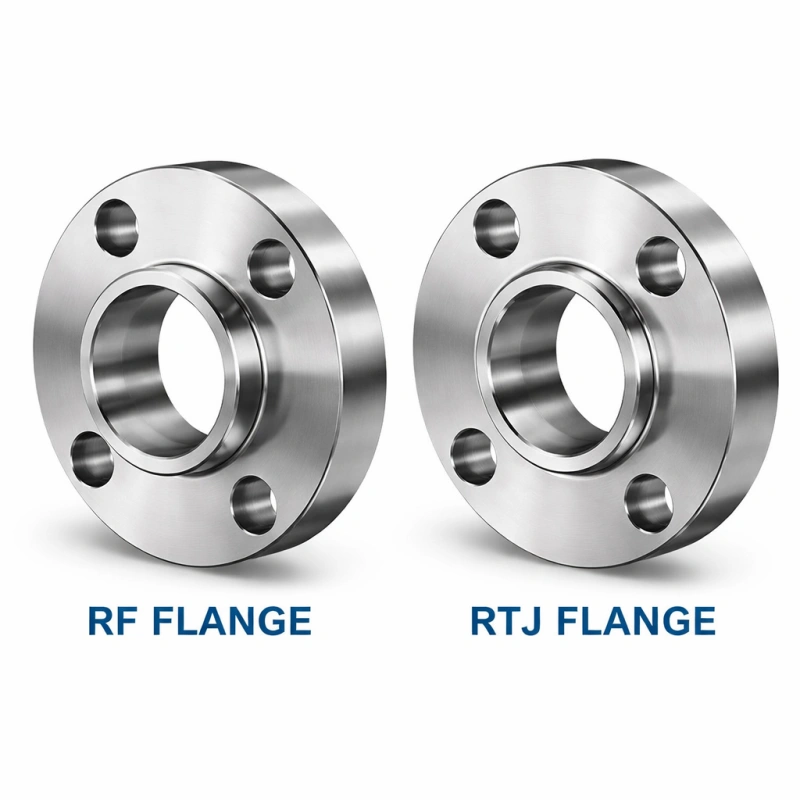
RF vs RTJ Flange: What’s the Difference?
Flange Face Types Comparison: Compare RF, FF, and RTJ flanges by design, sealing, applications, and selection criteria for optimal reliability and safety.

Flange Face Types Comparison: Compare RF, FF, and RTJ flanges by design, sealing, applications, and selection criteria for optimal reliability and safety.

Global flanges market analysis to 2035: size, growth, trends, segmentation by type, material, region, and the impact of energy transition and technology.

Unions vs flanges: Compare definitions, designs, connection methods, strength, pressure ratings, costs, and pros and cons for your piping system.

Mechanical joint vs flange: Compare designs, installation, cost, and performance to choose the best pipe connection for your industrial project.

Master flange installation in piping systems with tips on flange selection, pipe end prep, torque, and alignment for leak prevention and durability.
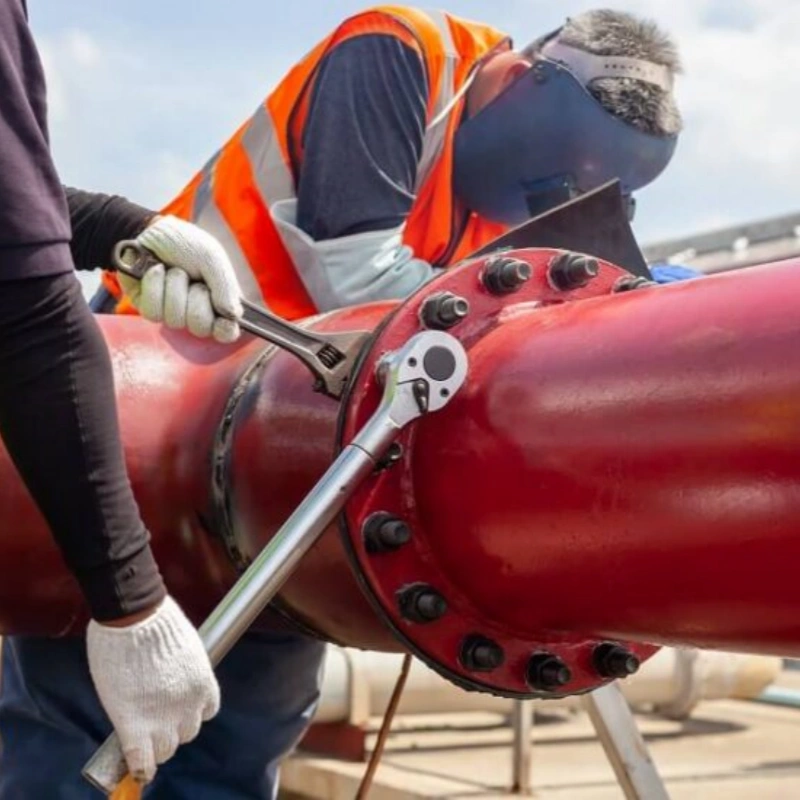
Industrial flange maintenance guide: corrosion prevention, inspection, repair, installation, and best practices for reliable piping system performance.
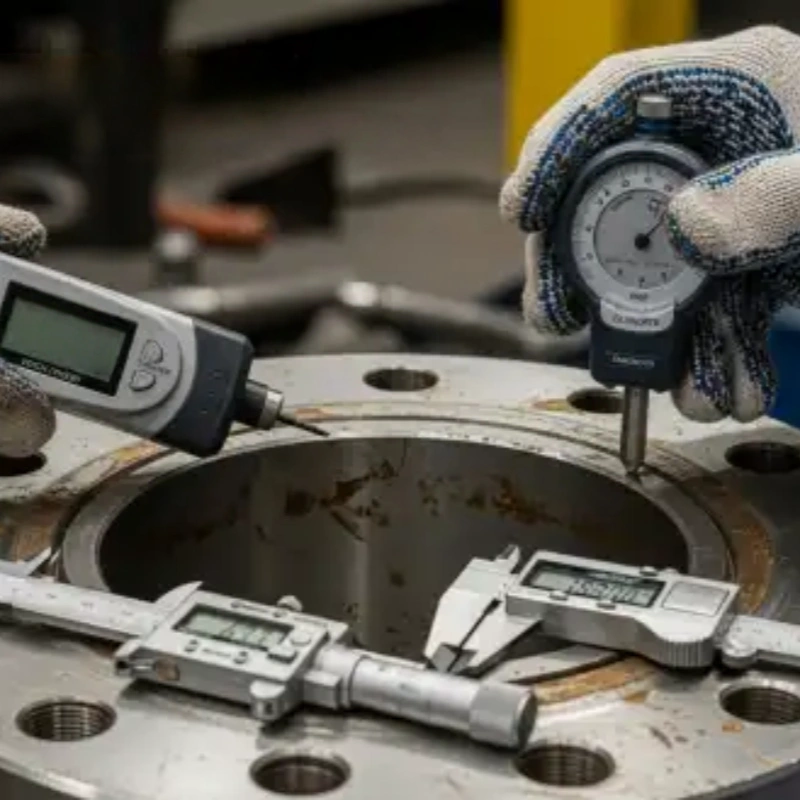
Flange Inspection in Industrial Piping covers visual, NDT, and ultrasonic methods per ASME standards to ensure gasket sealing and long-term reliability.
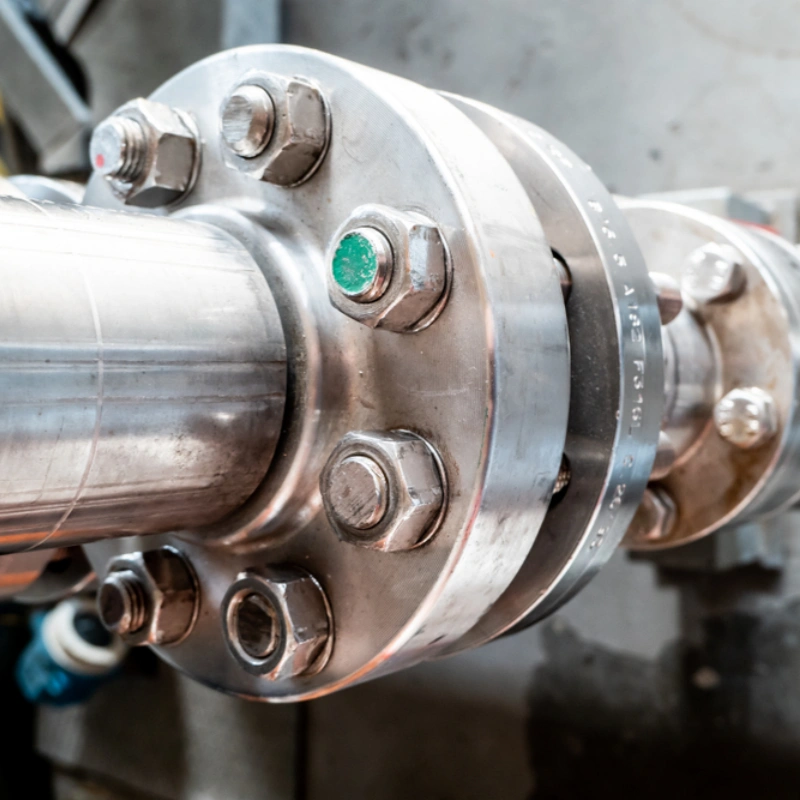
What are flanges used for? In oil and gas, flanges connect pipes and equipment, ensuring leak-proof, high-pressure, and safe system operations.
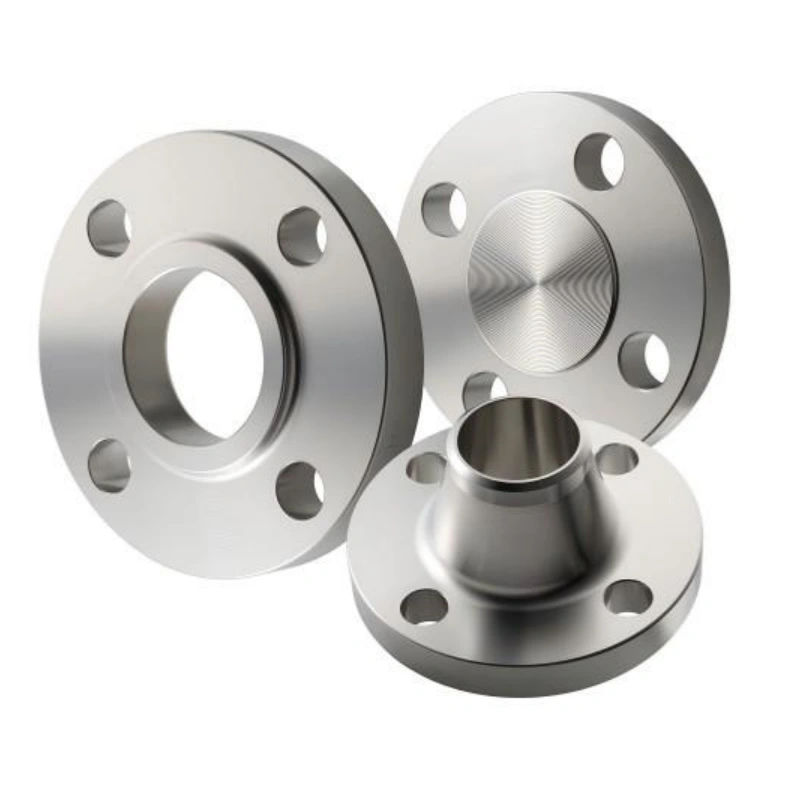
Flange design is vital for industrial infrastructure, covering standards, materials, sealing, and trends to ensure safe, reliable, and efficient operations.

International flange standards define specifications and compatibility for piping and pump installations, ensuring safety and proper pressure ratings.

Compare the five common flange face types in piping systems, their structures, gasket needs, and selection tips for safe, leak-free industrial connections.

Understand flange pressure ratings, selection criteria, and industry standards for safe, reliable piping and pump systems in oil and gas applications.