
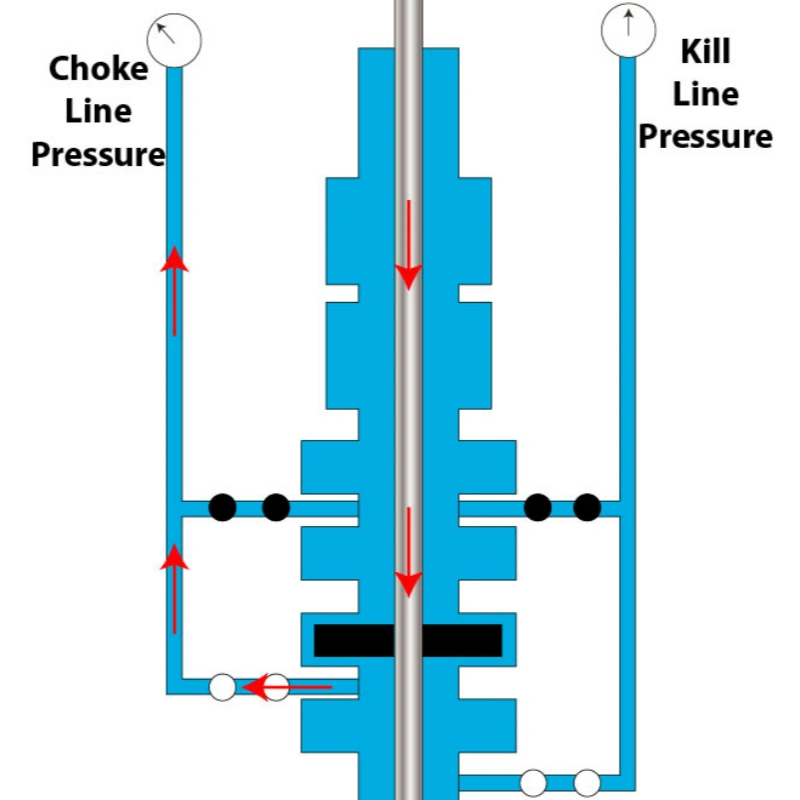
You need to understand how choke and kill lines work to maintain safety and efficiency in oil and gas drilling. These lines act as high-pressure pathways that let you circulate fluids into or out of the well, even when the blowout preventers (BOPs) remain closed.
Industry standards describe them as external conduits along the riser pipe, designed for well pressure control:
| Definition | Source |
|---|---|
| High-pressure line that allows fluids to be pumped into or removed from the well with the BOPs closed. | API Specification 16Q |
| External conduits, arranged laterally along the riser pipe, are used to circulate fluids into and out of the wellbore to control well pressure. | API RP 17G |
| External conduit arranged laterally along the riser pipe and used for the circulation of fluids into and out of the wellbore to control well pressure. | ISO 13624-1:2009 |
Alienfrac provides reliable Choke and Kill Hoses that help you manage well pressure and protect your operation.
Key Takeaways
- Choke and kill lines are essential for managing well pressure during oil drilling. They help prevent blowouts and keep operations safe.
- The choke line controls fluid release, while the kill line pumps heavy mud into the well. Together, they stabilize the wellbore.
- Using high-quality hoses, like Alienfrac’s, ensures durability and reliability under extreme conditions, reducing downtime and maintenance costs.
- Regular inspections and proper training on choke and kill systems are crucial for safety and efficiency on the oil rig.
- Always keep inner valves open during normal operations to prevent blockages and ensure smooth fluid circulation.
How Choke and Kill Lines Work in Drilling?
Choke and Kill Lines Overview

You need to understand how choke and kill lines work to keep your oil rig safe and efficient. These lines form the backbone of pressure management in oil and gas drilling. The choke line lets you control the release of fluids and gas from the well, maintaining the right pressure at the wellhead.
The kill line allows you to pump heavy drilling mud into the well, which helps you balance well pressure and regain control during a well kick. Together, these lines create a closed circulation loop that stabilizes the wellbore and reduces the risk of blowout.
Choke and kill lines serve several vital functions:
- They let you inject high-density fluids to counteract formation pressure.
- They help you manage the controlled release of oil, gas, and drilling mud.
- They allow you to maintain pressure control during both routine drilling and emergencies.
When you know how choke and kill lines work, you can prevent dangerous situations and keep your operation running smoothly. Choke manifolds, equipped with valves and gauges, give you precise control over fluid flow and pressure. This system is essential for well control and safety.
Placement on BOP and Choke Manifolds
You must install choke and kill lines in the correct positions on the BOP stack and choke manifolds to ensure effective pressure management. The choke line connects above the bottom well-control ram on the BOP. This placement directs flow to the choke manifold, where you can adjust pressure and safely vent fluids.
The kill line attaches beneath at least one well-control ram, sometimes even below the bottom ram. This setup allows you to pump heavy fluids directly into the well to regain control during a kick.
Here’s how choke and kill lines work with the BOP and manifold system:
- The choke line routes well fluids to the choke manifold for controlled pressure release.
- The kill line lets you inject oil-based or water-based drilling mud to stabilize the well.
- Both lines play a key role in well control procedures, especially during a well kick.
Tip: Always keep the inner choke and kill line valves open during normal operation. Close the outer valves to prevent solids from building up in the lines.
Alienfrac Choke and Kill Hose Features
You need hoses that can handle the extreme demands of oil and gas drilling. Alienfrac’s Choke and Kill Hose stands out as a reliable solution for high-pressure environments. The hose features a robust design with a synthetic rubber tube that resists oil, abrasion, acids, and alkalis.
Multiple layers of high-tensile steel wire reinforcement give the hose the strength to withstand intense pressure. The outer cover protects against ozone, weather, and corrosion.
Here’s a quick look at typical choke and kill hose specifications:
| Feature | Specification |
|---|---|
| Structure | Tube, reinforcement, cover |
| Tube | Oil, abrasion, acid, alkali-resistant synthetic rubber (nitrile) |
| Reinforcement | Multiple high-tensile steel wire spiral layers |
| Cover | Ozone, abrasion, corrosion, and weather-resistant synthetic rubber |
| Inner Diameter | 2″ – 4″ |
| Outside Diameter | 99mm – 183mm |
| Working Pressure | 34.5MPa (5000psi) |
| Test Pressure | 69.0MPa (10000psi) |
| Min Burst Pressure | 103.5MPa (15000psi) |
| Working Temperature | -4°F – +200°F (-20°C – +93°C) |
Alienfrac hoses deliver exceptional performance in the field. You can rely on their stainless steel armored construction for superior durability and pressure resistance. The hoses withstand open flame temperatures up to +704°C for 30 minutes, ensuring safety even in the harshest conditions.
API 16C certification guarantees that these hoses meet global standards for pressure control and well control.
When you use Alienfrac’s choke and kill hoses, you minimize downtime and maintenance costs. The hoses help you prevent blowouts, manage pressure fluctuations, and provide emergency shut-off capabilities.
You get a product that supports your choke manifold system and keeps your oil operation safe and efficient.
Choke Line and Pressure Control
Choke Line Function

You rely on the choke line to regulate the flow and pressure of drilling fluids during oil operations. The choke acts as an adjustable valve that lets you control the rate at which oil, gas, and mud leave the well. When you face a well kick, you use the choke to maintain bottom-hole pressure and prevent a blowout.
The choke manifold system gives you the ability to make small adjustments to backpressure, which is vital for keeping the well stable. You can safely release pressure after shutting in the well, which is critical for well control.
The choke line connects directly to the bop stack and routes fluids to the choke manifold, where you can manage the flow with precision.
Managing Well Pressure
You must keep pressure within a safe range to avoid dangerous situations on your oil rig. Choke manifolds help you do this by letting you adjust the flow of drilling fluids in real time. The main components of the choke manifold system work together to keep the well balanced:
| Component | Function |
|---|---|
| Choke Valves | Regulate the flow of drilling fluids to control well pressure and maintain stability. |
| Pressure Gauges | Provide real-time data on well pressure for monitoring and adjustments. |
| Kill Lines | Inject fluids into the well to suppress pressure spikes and prevent uncontrolled flow. |
| Actuators | Remotely control choke valve positions for quick adjustments during drilling operations. |
You use these tools to monitor and adjust pressure, which helps you prevent a well kick from turning into a blowout. Alienfrac hoses support safe pressure management by providing strong, reliable connections between the BOP, choke manifolds, and other oil equipment.
Their durability ensures that you can maintain control even in harsh drilling environments.
Role of Choke Manifolds
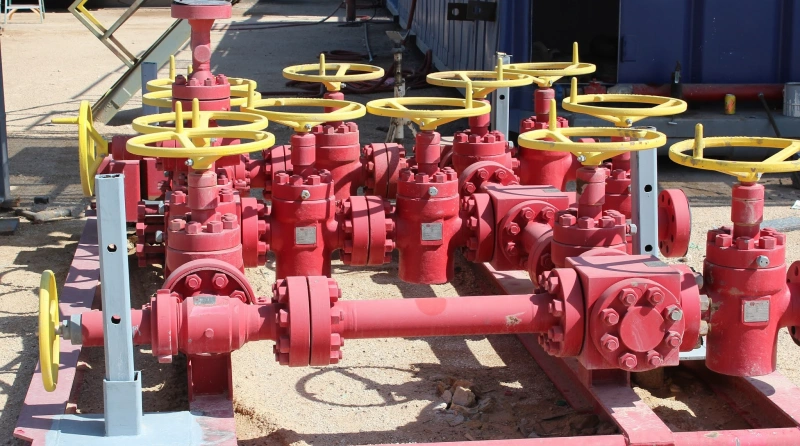
Choke manifolds play a key role in pressure control and well control. You use them to manage the flow and pressure of oil and drilling fluids during every stage of drilling. The manifold consists of several valves and pressure control devices that connect to the BOP stack.
You can make real-time adjustments based on changing well conditions, which keeps your operation safe. Regular monitoring and quick responses help you avoid equipment damage and protect your crew.
When you use Alienfrac hoses with your choke manifold system, you get the reliability needed for both routine drilling and emergencies. This combination helps you maintain well pressure, prevent blowouts, and keep your oil operation running smoothly.
Kill Line Operation in Well Control
Kill Line Purpose
You depend on the kill line for critical pressure control during drilling and well control operations. The kill line connects the mud pump directly to the well, forming a high-pressure pathway that lets you pump kill fluids into the wellbore.
This line plays a vital role when you need to control high pressure and stop a threatened blowout. The kill line works alongside the choke line to maintain stability in the well, especially during a well kick or other emergency.
| Term | Definition |
|---|---|
| Kill line | A high-pressure line, connecting the mud pump and the well, through which drilling fluid can be pumped into the well to control a threatened blowout. |
You use the kill line to restore hydrostatic balance and keep the well under control. The kill line allows you to respond quickly to changes in well pressure, preventing dangerous situations on your oil rig. When you operate the kill line correctly, you protect both your equipment and your crew.
Pumping Fluids for Well Control
You use the kill line to pump specialized kill fluids into the well during emergencies. These fluids help you control well pressure and stop the influx of oil or gas. The process starts when you shut in the well with the bop stack and record the pressures.
You then circulate kill fluid through the kill line at a controlled rate. This restores hydrostatic balance and prevents further influx from the formation.
The lubricate and bleed technique gives you another method for managing well pressure. You inject small volumes of kill-weight mud through the kill line to displace lighter fluids. You then bleed off pressure in a controlled way.
This technique helps you maintain bottomhole pressure above formation pore pressure, which is essential for well control when full circulation is not possible.
You must choose the right kill fluids for each situation. Common options include:
- Kill fluids with densities from 8 to 12 ppg, adjusted for the specific well conditions.
- Clear brines and emulsions with less than 6% solids by volume.
- Low-solids or solids-free systems to minimize formation damage.
- Fluids with properties such as plastic viscosity, apparent viscosity, gel strength, and yield point.
These fluids help you achieve the right balance in the well and maintain safety during drilling operations.
Alienfrac Hose Reliability
You need hoses that can withstand the extreme demands of kill line operations. Alienfrac Choke and Kill Hoses deliver the durability and reliability you require for both routine and emergency well control. These hoses undergo rigorous testing and hold certifications that prove their quality and performance.
| Certification/Test Report | Description |
|---|---|
| API 7K | Certification for drilling and well servicing hoses. |
| API 16C | Certification for choke and kill hoses. |
| API Q1 | Quality management system certification. |
| DOT Certification | Compliance with Department of Transportation standards. |
| ISO 9001 | International standard for quality management. |
| New High Tech Enterprise | Certification for innovative technology. |
| Famous Brand Certification | Recognition of brand reputation. |
| Rubber tube test report | Testing for the durability and performance of rubber hoses. |
| Automotive rubber hose test report | Testing specific to automotive applications. |
Alienfrac hoses feature multiple layers of high-tensile steel reinforcement and abrasion-resistant synthetic rubber. This construction ensures that your kill line can handle high-pressure drilling fluids and harsh oilfield environments.
You benefit from hoses that meet API 16C and API 7K standards, giving you confidence in every well control operation.
You also reduce the risk of equipment failure by using hoses that pass strict durability tests. Regular testing and predictive maintenance lower the failure rate of manifold systems by up to 40%. You see fewer incidents and greater safety on your oil rig when you trust Alienfrac hoses for your kill line needs.
The kill line, together with the choke manifold system, forms the backbone of pressure control in oil drilling. You maintain control, prevent blowouts, and keep your operation running smoothly with reliable kill lines and certified hoses.
Safety and Efficiency in Well Control
Preventing Blowouts
You play a key role in blowout prevention when you use choke and kill lines on your oil rig. These lines give you the tools to manage pressure and maintain control during drilling.
The choke manifold system lets you regulate flow and pressure, especially when you face a kick or need to circulate kill mud. You can see the main safety benefits in the table below:
| Safety Benefit | Description |
|---|---|
| Pressure Management | The manifold system helps you manage wellbore pressure during kick conditions and kill mud circulation. |
| Precision Regulation | You can handle influxes and circulate kill fluids safely with precise pressure control. |
| Flow Regulation | The system keeps surface pressure stable by regulating the return flow of drilling mud and fluids. |
| Consistent Control | You maintain good control during pressure changes with a controllable outlet for gas and fluid. |
| Backup Systems | Multiple chokes and parallel flow lines give you continuous control, even in harsh conditions. |
You reduce the risk of blowout by using these systems. The choke line and kill line each have a failure rate of 0.346, showing the importance of regular inspection and maintenance.
Protecting Equipment and Workers
You protect both your equipment and your crew when you use choke and kill lines correctly. These lines route oil and drilling fluids safely through the manifold and bop stack. The table below shows how each component supports safety management:
| Component | Function | Purpose in Safety Management |
|---|---|---|
| Choke Line | Routes flow to the manifold | Helps you control wellbore pressure in emergencies |
| Kill Line | Pumps heavy drilling mud into the wellbore | Counteracts formation pressure, preventing blowout |
You keep your bop and manifold systems working under extreme oilfield conditions. This protection reduces downtime and helps you avoid costly repairs. You also create a safer environment for everyone on the oil rig.
Industry Standards and Certifications
You need hoses and lines that meet strict industry standards for oil and gas drilling. Alienfrac’s choke and kill hoses comply with major certifications, including API 16C and API 7K. These hoses are rated for extreme high pressure, often 10,000 psi or more. They pass fire resistance tests to ensure they hold up under open flame.
The inner tube resists corrosive agents like hydrogen sulfide. You can choose from different fire service levels, such as FSL0 to FSL3, for added safety.
| Feature | Description |
|---|---|
| Extreme High Pressure | Rated for high working pressures, often 10,000 psi and up. |
| Fire Resistance | Must pass fire tests to maintain integrity and pressure under open flame. |
| H2S Resistance | Inner tube resists hydrogen sulfide and other corrosive agents. |
| Multiple Service Levels | Available in FSL0, FSL1, FSL2, and FSL3 for different fire-resistant capabilities. |
You trust Alienfrac hoses to deliver reliable performance and certified safety for every oil operation. These standards help you maintain control, protect your bop stack, and keep your oil rig running efficiently.
Conclusion
You rely on choke and kill lines to keep your drilling operation safe and efficient. Alienfrac Choke and Kill Hoses support you by providing strong, flexible connections for pressure control.
- These systems help you prevent blowouts by managing wellbore pressure.
- You control fluid circulation, which is vital for well control.
- Regular inspections and proper training reduce downtime and errors.
Choose certified, high-quality hoses to protect your team and equipment on every project.
FAQ
What is the main function of a blowout preventer in drilling operations?
You use a blowout preventer to seal, control, and monitor your well. Blowout preventers stop uncontrolled fluid release, protecting your crew and equipment. You rely on these devices to prevent a potential blowout and maintain safe drilling conditions at all times.
How do choke and kill lines work with blowout preventers?
You connect choke and kill lines directly to blowout preventers. The choke line lets you control pressure by releasing fluids safely. The kill line allows you to pump heavy fluids into the well. Both lines help you manage well pressure and avoid dangerous situations.
Why is regular inspection of blowout preventers important?
You must inspect blowout preventers often to ensure they work properly. Regular checks help you find wear or damage early. This practice reduces the risk of equipment failure and keeps your operation safe from unexpected pressure surges or leaks.
How does the choke manifold support blowout preventer systems?
You use the choke manifold with blowout preventers to control the flow and pressure of fluids. The choke manifold lets you adjust pressure during drilling or emergencies. This system works with blowout preventers to keep your well stable and prevent accidents.
What role does drilling fluid play in preventing a blowout?
You depend on drilling fluid to balance formation pressure. When you use blowout preventers and maintain proper fluid levels, you reduce the risk of a blowout. The right drilling fluid weight helps you keep the well under control and avoid dangerous pressure spikes.