
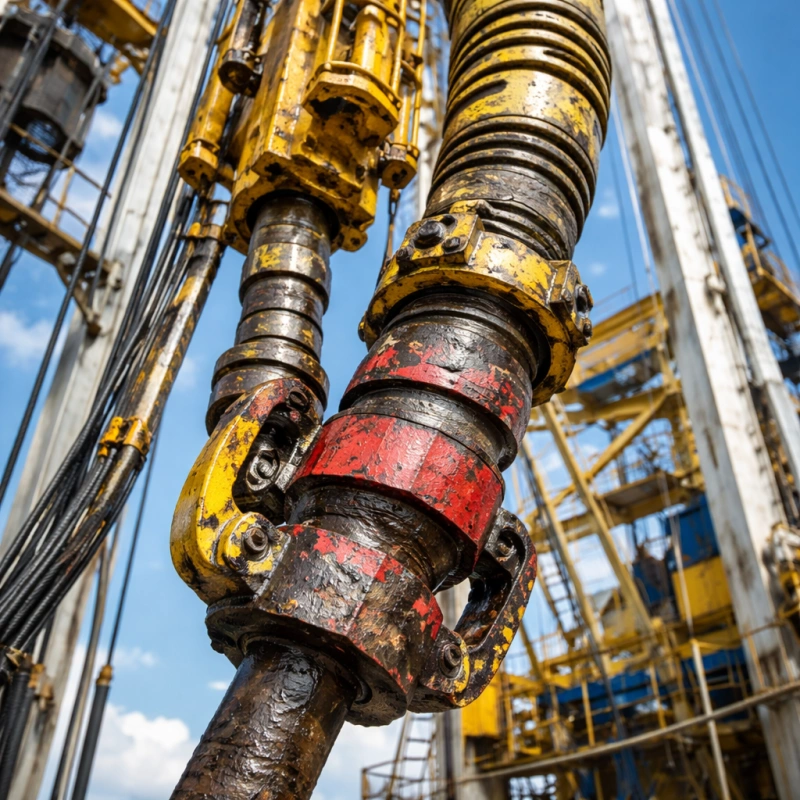
You rely on rotary hoses to transfer drilling fluids safely and efficiently during critical oilfield operations. Proper construction and high performance matter because a hose burst or valve failure can eject mud with tremendous force, causing blunt-force trauma, chemical burns, or even injuries from flying debris.
Trusted brands like Alienfrac deliver high-quality rotary hoses designed for demanding environments, helping you maintain safety and operational reliability every day.
Key Takeaways
- Rotary hoses are essential for safe and efficient drilling operations, ensuring continuous mud circulation and stabilizing the well.
- Choose hoses with high-quality materials and robust construction to withstand extreme pressures and harsh conditions.
- Regular inspection and maintenance of rotary hoses prevent failures and ensure safety during drilling operations.
- Select hoses that comply with API Spec 7K to guarantee reliability and safety in demanding drilling environments.
- Customize hose lengths and fittings to ensure compatibility with your rig, enhancing operational efficiency.
Rotary Hoses in Drilling Operations

Key Functions and Applications
You depend on rotary hoses to keep your drilling operations running smoothly. These hoses perform several critical functions that support both safety and efficiency.
- Continuous mud circulation keeps the drill bit cool and lubricated, which prevents overheating and reduces wear.
- Rotary hoses carry rock cuttings to the surface, helping you maintain a clean wellbore.
- They stabilize the well by maintaining hydrostatic pressure, which prevents well collapse and formation damage.
- Power transmission through rotary hoses enables downhole drilling motors to operate effectively.
- Pressure containment is vital, as these hoses withstand high pressures that are common in oil and gas drilling.
- Operational flexibility allows the drill string to move freely, reducing stress and improving safety.
Rotary hoses transmit drilling fluids under high pressure to the drill bit. This process enhances drilling efficiency and helps you regulate fluid pressure within the wellbore. The flexibility of rotary hoses lets them adapt to the dynamic movements of the drill string, which improves operational safety and reduces equipment stress.
Importance in the Oil and Gas Industry
Rotary hoses play a central role in oil and gas drilling. You use them in a variety of applications, including exploration, development, and workover drilling. The table below shows how rotary hoses support different drilling activities:
| Application Area | Description |
|---|---|
| Oil and Gas Extraction | Rotary systems are essential for efficient drilling in oil and gas extraction operations. |
| Geothermal Energy Development | These systems are utilized for drilling in geothermal energy projects, ensuring effective heat extraction. |
| Water Well Drilling | Rotary systems are also applied in the drilling of water wells, providing reliable access to groundwater. |
Rotary hoses help you achieve higher productivity in the oil and gas industry. Their advanced design allows you to drill efficiently through various geological formations. You benefit from increased safety and reliability, which leads to faster and more effective drilling operations.
Construction and Features of Rotary Hoses

Inner Liner and Reinforcement
You need rotary hoses that can handle the toughest drilling environments. The construction starts with the inner liner, which acts as the first barrier against drilling fluids. Many high-quality hoses, including those from Alienfrac, use advanced materials like UHMW polyethylene for the liner.
This material resists chemicals and abrasion, helping you extend the service life of your drilling hose.
Reinforcement is the backbone of every rotary hose. You rely on different types of steel wire reinforcement to achieve the right balance of strength and flexibility. Common reinforcement types include:
- Single wire braided: This option works well for high-pressure hydraulic systems and offers good resistance to ozone and weather.
- Two-braid: You get high tensile strength and a tight bend radius, making it ideal for tough drilling conditions.
- Four-spiral: This design delivers maximum abrasion resistance and stands up to the most demanding outdoor applications.
Alienfrac rotary hoses feature multi-spiraled, high-tensile steel wire reinforcement. This robust construction gives you the confidence to operate under extreme pressure, ensuring stable and safe drilling operations.
Outer Cover and Durability
The outer cover of your rotary hose protects the inner layers from harsh external conditions. You face moisture, dust, heat, and abrasive surfaces on every drilling site. A strong outer layer shields the reinforcement from these threats and significantly extends the hose’s lifespan.
- The outer cover resists cuts, abrasion, and weathering.
- It keeps the hose flexible and reliable, even in rough environments.
- Hoses often carry labels that indicate the strength of their outer covers, so you can choose the right level of durability for your operation.
Alienfrac’s rotary hoses use abrasion-resistant synthetic rubber for the outer cover. This material stands up to the rigors of oilfield work, helping you reduce downtime and maintenance costs.
Connection Types and Compatibility
You need rotary hoses that fit seamlessly into your drilling system. Connection types play a key role in compatibility and installation. Alienfrac offers both crimped and built-in end fittings, so you can select the best option for your rig.
- Crimped connections provide a secure, leak-free seal and are easy to install.
- Built-in connections offer extra strength and durability, especially for high-pressure hose applications.
You can customize hose lengths, bores, and connectors to match your specific drilling requirements. This flexibility ensures that your rotary hoses integrate smoothly with other equipment, supporting efficient and safe operations.
Note: Robust construction directly impacts the high-pressure capability and performance of your rotary hoses. The table below highlights key features that contribute to reliable operation in demanding drilling environments.
| Feature | Description |
|---|---|
| Reinforcement | Multi-spiraled, high-tensile, ultra-flexible steel wire for extreme pressure durability |
| Pressure Handling | Handles high-pressure mud up to 7,500 psi with stability |
| Flexibility | Flexible design allows use in tight rig spaces |
| Resistance | Resistant to harsh weather, oil-based and water-based drilling fluids, and abrasion |
| Flow Assurance | Ensures uninterrupted drilling fluid flow for safer operations |
| Customization | Customizable lengths, bores, and connectors for specific rig requirements |
Alienfrac’s rotary hoses combine advanced materials, strong reinforcement, and durable outer covers to deliver the performance you need for successful drilling operations.
Performance and Specifications
Pressure Ratings and Flexibility
You need rotary hoses that can handle the extreme pressures found in drilling operations. These hoses must perform under constant stress and movement. Most rotary hoses are rated for working pressures up to 7,500 psi or more.
Some models, like the Alienfrac Rotary Drilling and Vibrator Hose, reach working pressures of 15,000 psi and even 20,000 psi. This high-pressure capability is essential for oil and gas drilling, where safety and reliability cannot be compromised.
You should always check both the working and burst pressure ratings. Many hoses have a recommended working pressure between 1,500 and 5,000 psi, depending on the size. The minimum burst pressure often reaches 24,000 psi, giving you a strong safety margin during demanding drilling tasks.
Flexibility matters as much as pressure. The minimum bend radius tells you how much you can bend the hose without causing damage. A larger bend radius reduces stress and increases hose life. You should install hoses with the gentlest bend possible.
Always calculate the hose length to allow for movement and offsets. This practice ensures that your rotary hoses stay flexible and safe during both static and dynamic drilling operations.
Tip: A larger bend radius will reduce stress on the hose, especially when repeated cycling is expected. Choose a longer hose if you need to achieve a larger bend radius.
Chemical and Abrasion Resistance

Rotary hoses face harsh chemicals, abrasive materials, and tough weather every day. You need hoses built with advanced materials that resist these threats. The inner liner often uses UHMW polyethylene or other synthetic rubbers.
These materials stand up to petroleum-based fluids, alcohol blends, and saltwater. The reinforcement layers add strength while keeping the hose flexible.
The outer cover must resist cuts, abrasion, and weathering. Some heavy-duty sleeves, like the 40 HDA Sidewinder, use military-grade fabric that is twice as heavy and six times more abrasion-resistant than standard covers.
These sleeves can handle over 500,000 cycles of abrasion and offer excellent resistance to oil, gasoline, and chemicals. This level of protection keeps your hoses working longer, even in the toughest drilling environments.
Here are the main factors that influence chemical resistance in rotary hoses:
| Factor | Description |
|---|---|
| Rubber and Synthetic Materials | Withstand exposure to chemicals, including petroleum-based products and alcohol blends. |
| Reinforcement and Flexibility | Reinforced with textile or metal layers for strength and flexibility. |
| Ageing Resistance | Resist degradation from heat, UV light, and oxygen over time. |
| High and Low-Temperature Exposure | Perform across a wide temperature range, retaining flexibility and integrity. |
| Pressure Resistance | Maintain structural integrity under high-pressure conditions. |
| Vibration and Mechanical Stress | Handle mechanical stresses, including vibrations and flexing, with material fatigue testing. |
Size Options and Installation
You can choose from a wide range of rotary hose sizes to match your drilling needs. Alienfrac offers hoses in different diameters and lengths, so you can find the right fit for your rig. You can also select from crimped or built-in end fittings, which makes installation easier and ensures compatibility with your equipment.
Proper installation is key to hose performance and safety. Always follow these steps:
- Install hoses with the gentlest bend possible to minimize stress.
- Know the minimum bend radius for your hose and never exceed it.
- Calculate the hose length to allow for movement and any offsets in your system.
Understanding these details helps you avoid kinks, leaks, and premature hose failure. When you choose rotary hoses with the right specifications, you support safe and efficient drilling operations every day.
Safety and Industry Standards
Inspection and Maintenance
You must prioritize safety in every aspect of your drilling operation. Regular inspection and maintenance of rotary hoses helps you prevent unexpected failures and costly downtime. Start by checking for visible signs of wear, such as cracks, bulges, or abrasions. Examine the fittings for leaks or corrosion.
Replace any hose that shows damage or does not meet performance expectations. Schedule routine maintenance checks to keep your equipment in top condition. This proactive approach protects your crew and ensures continuous operation.
Tip: Always document your inspection results. Keeping accurate records helps you track hose performance and identify patterns that could affect safety.
API Spec 7K Compliance
You should always choose rotary hoses that comply with recognized industry standards. API Spec 7K sets strict requirements for hoses used in drilling rigs. This specification covers the design, manufacturing, and testing of rotary hoses.
It requires high-strength steel wire reinforcement and an inner rubber layer that resists oil, weak acids, and wear. These features allow the hoses to withstand high pressures and harsh drilling environments.
- API Spec 7K ensures that rotary hoses meet global expectations for safety and reliability.
- Compliance with this standard demonstrates that your equipment can handle demanding conditions.
- Meeting API Spec 7K builds trust with clients and boosts confidence in your operation.
When you use hoses that meet API Spec 7K, you show your commitment to safety and operational excellence.
Certification and Documentation
You need proper certification and documentation for every rotary hose in your system. Certified hoses come with detailed records that prove compliance with industry standards. These documents include test results, manufacturing details, and inspection reports.
Keep these records accessible for audits and safety reviews. Certification from trusted providers, such as Alienfrac, gives you peace of mind and supports your reputation for safe drilling practices.
Note: Reliable documentation not only meets regulatory requirements but also strengthens your safety culture.
Conclusion
You achieve drilling success when you choose rotary hoses with robust construction and proven reliability. Certified, high-quality hoses like Alienfrac’s Rotary Drilling and Vibrator Hose deliver long-term value:
- High flexibility for easy handling in tough spaces
- Resistance to harsh fluids, chemicals, and weather
- Reliable performance that reduces downtime and maintenance
| Benefit | Description |
|---|---|
| Minimizing Equipment Failure | Following API standards lowers the risk of breakdowns and creates a safer work environment. |
| Ensuring Structural Integrity | Industry standards help your rig withstand operational stresses and reduce structural failures. |
Stay committed to regular maintenance and industry standards to keep your drilling operations safe and efficient.
FAQ
What is the maximum pressure rating for Alienfrac rotary hoses?
You can use Alienfrac rotary hoses for pressures up to 10,000 psi, depending on the model. Always check the product specifications for your application.
How often should you inspect rotary hoses on your rig?
You should inspect rotary hoses before each use and during routine maintenance. Look for signs of wear, leaks, or damage to ensure safe operation.
Which lining materials offer the best chemical resistance?
UHMW polyethylene linings provide excellent chemical resistance. You can rely on these linings to handle aggressive drilling fluids and extend hose life.
Can you customize hose length and fittings for your drilling rig?
Yes, you can request custom lengths and end fittings from Alienfrac. This flexibility ensures your hoses fit your rig and meet your operational needs.